


6 Sleeping Tips for Springing Forward
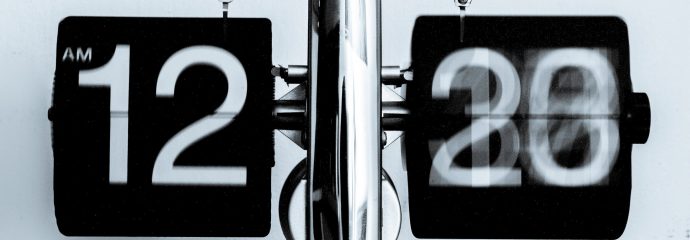
This month, many of us will “spring forward” as they say. In other words, we will lose one hour of sleep when we set our clocks forward to begin Daylight Savings time. Similar to traveling from the west to east, it can be tough when losing precious time. Trying to fall asleep earlier and having to get up earlier are much more difficult for most people than staying up later and getting to sleep in an extra hour.
 Put simply, sleep is your body’s chance to HEAL. Your body enjoys reduced activity during sleep, which allows blood pressure and respiration to decrease, while digestion and cell repair increase. Without the right amount of sleep, you may experience mood swings, depression, reduced alertness, as well as physiological stresses on your bodily systems. For optimal function, experts suggest you get seven to nine hours of sleep per night.
 In addition to a time change, there are many factors that could have an effect on your sleep. Room lighting, noise, pain, anxiety, medical conditions, and shift work can wreak havoc on sleep. At Eat, Heal, Travel, we can also attest that jet lag and TRAVEL can play a big role in sleep. Here are some quick tips for dealing with the seasonal time change and for adapting when traveling between time zones.
1. Start gradually adjusting your sleeping habits prior to the time change or travel. If you push yourself to go to bed just a bit earlier, say increasing 15 minutes earlier each night for several days prior to the change, you could ease yourself into the new schedule.
2. Most people get their best night’s rest in a dark, cool, quiet environment. Relaxation tricks can help you fall asleep earlier, such as reading, meditation, gentle music, or a calming bath.
3. Limit caffeine and alcohol in the evenings because they could stimulate the body.
4. EAT a satisfying and nutritional diet during your day in order to not be too hungry at bedtime, but avoid any large meals right before bed, which may hinder sleep.
5. Avoid excessive water right before bedtime, but be sure to stay hydrated with water throughout the day because dehydration can negatively affect your body.
6. Commit to getting an adequate amount of physical activity during your day to support your body’s desire for sleep. Exercise coupled with stress management techniques can do wonders for a sound sleep.
 As always, be sure to seek the help of a qualified physician for more serious sleeping conditions that might need an over-the-counter medication or prescription to improve sleep quality. We hope these simple tips will inspire you travel far and sleep well in any time zone! Be sure to let us know via Twitter or Facebook how you cope with time changes.